Bilibili-TV
Bilibili (哔哩哔哩, often abbreviated as “B站” or “B Site”) is a Chinese video-sharing platform that started in 2009 and has grown into one of China’s most influential online communities. While it’s sometimes called “China’s YouTube,” it’s actually a unique platform with distinct features, culture, and audience. Here’s a full guide to understanding Bilibili:
1. Origins and Positioning
-
Founded in 2009 by Xu Yi (also known as “H.E.”), originally as a niche site for ACG (Anime, Comic, and Games) fans.
-
Initially focused on fan-submitted anime videos, AMVs, and doujin content.
-
Today, Bilibili covers a wide spectrum of topics: technology, music, education, lifestyle, live streaming, and eSports.
Key difference from YouTube:
-
YouTube is global and general-purpose; Bilibili started as a niche community and has cultivated a strong subcultural identity.
2. Unique Features
a) Bullet Comments (Danmu / 弹幕)
-
Comments float across the screen as videos play, allowing real-time reactions.
-
Creates a sense of shared viewing and community interaction.
b) Community Culture
-
Heavy emphasis on niche fandoms, creativity, and participatory culture.
-
Users often share inside jokes, memes, and fan content.
-
Many viewers engage as both creators and commentators.
c) UP主 System
-
Content creators are called “UP主” (Uploader).
-
Bilibili actively supports UP主 through revenue sharing, fan support, and contests.
-
Long-term engagement and loyalty are stronger than on many Western platforms.
d) Diverse Content
-
Categories include anime, live streaming, games, science, lifestyle, education, and even professional courses.
-
Increasing focus on educational content (“Knowledge & Learning” section).
-
Partnerships with Japanese studios and domestic IP for exclusive content.
e) Membership & Premium Features
-
Paid membership gives higher-quality video, ad-free experience, and special emotes.
-
Bilibili emphasizes value-added services to monetize users rather than relying solely on ads.
3. Social & Interactive Elements
-
Users can send virtual gifts to streamers or UP主.
-
Fans can participate in polls, quizzes, and gamified content.
-
Bilibili has forums, clubs, and live Q&A features, making it more like a social network + content platform.
4. Monetization & Business Model
-
Revenue streams: advertising, premium subscriptions, mobile games, live streaming gifts, e-commerce tie-ins.
-
Unlike YouTube, Bilibili leverages deep fan engagement for revenue, especially in gaming and virtual events.
5. Audience
-
Average user age: mid-20s.
-
Large portion of Gen Z and millennial users.
-
Users are highly engaged and willing to participate in fan culture and support creators financially.
6. Global Reach
-
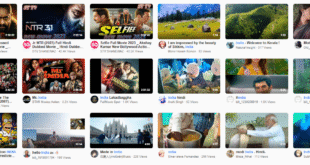
Bilibili has a limited international version, Bilibili TV (available in Southeast Asia).
-
Outside China, some content is geo-restricted, but users often access it through VPNs.
-
The platform is growing partnerships for anime and gaming content internationally.
7. Key Takeaways
| Aspect | Bilibili | YouTube |
|---|---|---|
| Origins | Niche anime & gaming community | General-purpose global video platform |
| Culture | Strong subcultural identity, “Danmu” comments | Broad, diverse audience |
| Community | Highly interactive, participatory | Commenting exists, but less “live interaction” |
| Monetization | Mixed: subscriptions, gifts, gaming | Ads, subscriptions (YouTube Premium), Super Chat |
| Content Type | Anime, games, education, lifestyle, live streaming | Anything, mostly user-generated |
Conclusion:
Bilibili is more than “China’s YouTube.” While it shares some features with YouTube, it’s a hybrid platform combining streaming, social networking, niche fandom culture, and interactive experiences. Its success lies in cultivating deep engagement and community loyalty, rather than just maximizing views.